

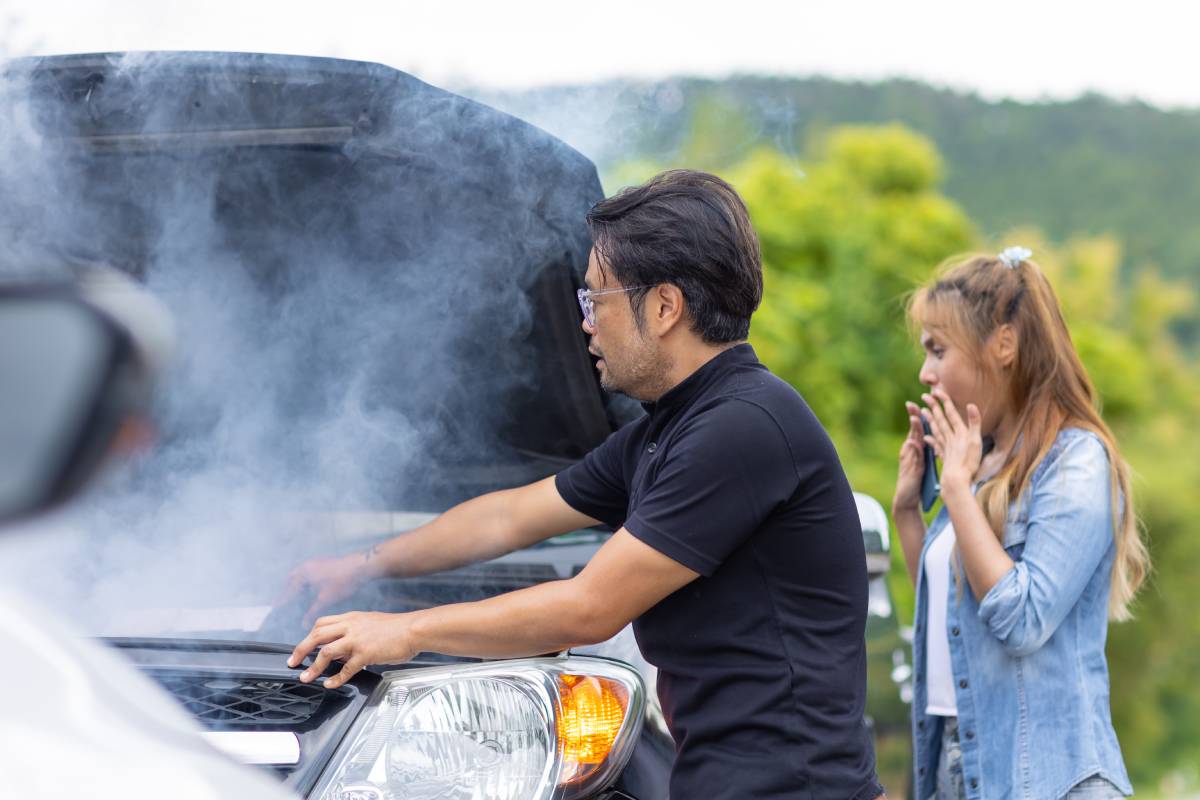

If you’ve ever seen steam rising from your car’s bonnet or a temperature gauge needle climbing toward the red zone, you know just how stressful it is to deal with an overheating vehicle. Not only can it leave you stranded, but it can also cause severe engine damage if not handled properly. Whether you’re in heavy traffic, on a remote road, or simply running errands, knowing how to handle a car overheating can save you time, money, and possibly your engine.
This guide will walk you through the signs of overheating, what to do when it happens, the common causes, and how to prevent it in the future.
What Are the Signs of an Overheating Car?
Your car often gives clear warning signs before it reaches a dangerous temperature. Here’s what to look out for:
- High Engine Temperature Gauge: Most dashboards have a temperature gauge. If the needle moves toward the “H” or red zone, it means the engine is overheating.
- Steam or Smoke: Steam rising from under the hood is a classic sign. Many people confuse it with smoke, but it’s usually coolant vapour.
- Strange Smells: A sweet smell might indicate leaking coolant, while a burning odor could mean oil or engine components are overheating.
- Loss of Engine Power: The car might start slowing down or hesitating when accelerating.
- Warning Lights: Modern cars often flash a temperature warning or “Check Engine” light.
What Should You Do If Your Car Overheats While Driving?
If you notice your car is overheating, act immediately to reduce the risk of severe engine damage. Here are the steps to follow:
1. Turn Off the Air Conditioner
The A/C adds extra load on the engine. Turning it off reduces stress and can help bring down engine temperature slightly.
2. Turn On the Heater
This might seem counterintuitive, but turning the heater on full blast pulls heat away from the engine into the cabin. It won’t solve the problem entirely but might buy you some time to get to safety.
3. Pull Over Safely
As soon as it’s safe, pull over and turn off the engine. Letting the engine continue to run while it’s overheating can cause serious damage like a warped cylinder head or cracked engine block.
4. Wait Before Opening the Hood
Do not open your truck hood immediately. Let the engine cool for at least 15–30 minutes. Opening the hood too soon can expose you to scalding steam or hot coolant.
5. Check Coolant Levels
After the engine has cooled, open the bonnet and check the coolant reservoir. If the level is low or empty, you can try topping it up with coolant or water—but only if the engine is cool enough. Never pour cold water into a hot radiator; it can cause the engine block to crack.
6. Restart the Car Cautiously
If you’ve topped off the coolant and the engine temperature gauge looks normal, you may be able to restart the car and drive it to the nearest mechanic. Keep a close eye on the temperature gauge as you go.
What Causes a Car to Overheat?
Understanding the root causes of overheating can help you prevent future incidents. Common culprits include:
1. Low Coolant
Coolant (also known as antifreeze) keeps your engine from overheating by regulating its temperature. A low level often results from leaks, evaporation, or poor maintenance.
2. Leaking Radiator or Hoses
Radiator or hose leaks are a common cause of coolant loss. You might notice puddles under your car or white residue around the leak areas.
3. Faulty Thermostat
The thermostat regulates the flow of coolant to the engine. If it gets stuck in the closed position, the coolant can’t circulate, leading to overheating.
4. Broken Water Pump
The water pump is responsible for moving coolant through the system. A malfunctioning pump won’t circulate coolant properly, causing the engine to heat up.
5. Radiator Issues
A clogged or damaged radiator can’t dissipate heat efficiently. Blockages, corrosion, or a failing radiator fan can contribute to this problem.
6. Cooling Fan Failure
Electric cooling fans kick in when your car gets hot, especially in slow traffic or while idling. If the fan doesn’t work, your engine can overheat quickly.
7. Low Oil Levels
Oil helps lubricate and cool engine components. Insufficient oil levels can increase engine friction and heat.
Long-Term Damage from Overheating
If not addressed quickly, overheating can cause:
- Warped cylinder heads
- Blown head gaskets
- Cracked engine blocks
- Permanent engine failure
These issues can cost thousands of dollars to repair. Acting quickly at the first signs of overheating can prevent extensive damage.
How to Prevent Your Car from Overheating
Like many car issues, overheating is often preventable with regular maintenance and awareness. Here are some tips to keep your engine cool:
1. Check the Coolant Regularly
Monitor your coolant levels and top them off when necessary. Ensure the coolant mixture (usually 50% water and 50% antifreeze) is appropriate for your vehicle and climate.
2. Inspect the Radiator and Hoses
Look for signs of wear, leaks, or bulging in hoses. A small leak today can turn into a serious problem tomorrow.
3. Replace Your Thermostat Periodically
Thermostats can wear out with time. If yours is old or acting up, replacing it is an inexpensive way to avoid overheating.
4. Flush the Radiator
Over time, sediment and rust can build up in the radiator. Flushing it according to your car’s maintenance schedule helps keep the system efficient.
5. Keep an Eye on the Temperature Gauge
Get familiar with where your temperature gauge normally sits. If it starts creeping up, don’t ignore it.
6. Maintain Engine Oil Levels
Check your oil regularly and stick to recommended oil change intervals. Using the correct grade of oil also matters.
7. Test the Cooling Fan
Make sure the electric cooling fan turns on when the engine gets hot, especially in traffic. If it doesn’t, the motor or relay may need replacing.
What Not to Do When Your Car Overheats
- Don’t keep driving: It may seem fine for a few minutes, but continued driving can turn a minor problem into a major disaster.
- Don’t pour cold water on the engine: This can cause the engine block to crack due to thermal shock.
- Don’t open the radiator cap while hot: The pressurised coolant can erupt, leading to burns or injury.
- Don’t rely solely on topping off coolant: If your car is overheating often, topping up isn’t enough. Get it checked professionally.
When to Seek Professional Help
If your car overheats repeatedly or you can’t identify the problem, it’s time to call a mechanic. Here’s when to seek help:
- Coolant is leaking constantly.
- The temperature gauge remains high after adding coolant.
- Strange noises (like knocking) come from the engine.
- The radiator or hoses are visibly damaged.
- You suspect a faulty thermostat or water pump.
Conclusion
A car that overheats is not just an inconvenience—it’s a potential engine killer. Knowing how to respond quickly and safely can help you avoid expensive repairs and dangerous breakdowns. Whether you’re on the road or at home, paying attention to warning signs, performing regular maintenance, and responding calmly when problems arise will ensure your engine stays cool and reliable.
In short, don’t panic. Be prepared. Keep a bottle of coolant in your car, check your temperature gauge regularly, and know the steps to take. Your engine—and your wallet—will thank you.