



Palm trees are iconic symbols of tropical landscapes, adding elegance and exotic appeal to gardens, parks, and streetscapes throughout Australia. From the towering date palms of Perth to the graceful coconut palms swaying along Queensland’s coastline, these distinctive plants have become integral to Australian landscapes. However, as with any tree, there comes a time when removal may be necessary. Understanding both the benefits of palm trees and the costs associated with their removal helps property owners make informed decisions about these remarkable plants.
The Benefits of Palm Trees
Environmental Advantages
Palm trees offer numerous environmental benefits that make them valuable additions to urban and suburban landscapes. They are exceptionally efficient at producing oxygen through photosynthesis, with their large fronds capturing sunlight throughout the day. Unlike many deciduous trees, palms maintain their foliage year-round, providing continuous oxygen production and carbon dioxide absorption.
These trees also help improve air quality by trapping dust particles and pollutants on their leaves. In coastal areas, palms act as natural windbreaks, reducing wind speeds and protecting properties from salt spray and erosion. Their extensive root systems help stabilise soil, preventing erosion on slopes and sandy terrain while improving soil structure over time.
Aesthetic and Property Value Benefits
One of the most significant advantages of palm trees is their striking visual appeal. They create instant tropical ambience, transforming ordinary spaces into resort-like environments. This aesthetic value translates directly into increased property values, with well-maintained palms often adding thousands of dollars to real estate prices. Their architectural form and dramatic silhouettes make them excellent focal points in landscape design.
Palms provide versatility in landscaping, complementing various architectural styles from contemporary to Mediterranean to tropical themes. They work equally well as standalone specimens, grouped plantings, or avenue trees lining driveways and streets. Their relatively narrow canopy spread compared to traditional shade trees makes them ideal for smaller gardens where space is limited.
Low Maintenance Requirements
Compared to many other tree species, palm trees are remarkably low-maintenance. They require minimal pruning, typically only needing old fronds removed once or twice yearly to maintain appearance. Palms are generally drought-tolerant once established, making them excellent choices for water-wise landscaping in Australia’s often arid climate.
These trees rarely suffer from the pest and disease problems that plague other species, reducing the need for chemical treatments. They don’t produce the heavy leaf litter associated with deciduous trees, minimising cleanup requirements. Additionally, their roots are less invasive than many hardwood trees, posing fewer risks to underground pipes, foundations, and paved surfaces.
Practical and Economic Benefits
Many palm species provide practical benefits beyond aesthetics. Coconut palms produce nutritious fruit with commercial value, while date palms yield sweet, energy-rich dates. The fibrous material from palm fronds can be used for mulch, composting, or craft projects. In commercial settings, palms attract customers to businesses, particularly those in hospitality, tourism, and retail sectors.
Palms also provide valuable wildlife habitat, with their fronds offering nesting sites for birds and their flowers attracting native bees and other pollinators. Some species produce fruits that feed parrots, bats, and other native fauna, supporting local biodiversity.
Climate Adaptability
Australian climates vary dramatically, and fortunately, there are palm species suited to almost every region. From cold-hardy varieties that tolerate frost in southern states to moisture-loving species thriving in tropical Queensland, property owners can find suitable palms for their specific conditions. This adaptability has made palms increasingly popular as climate change affects traditional tree species.
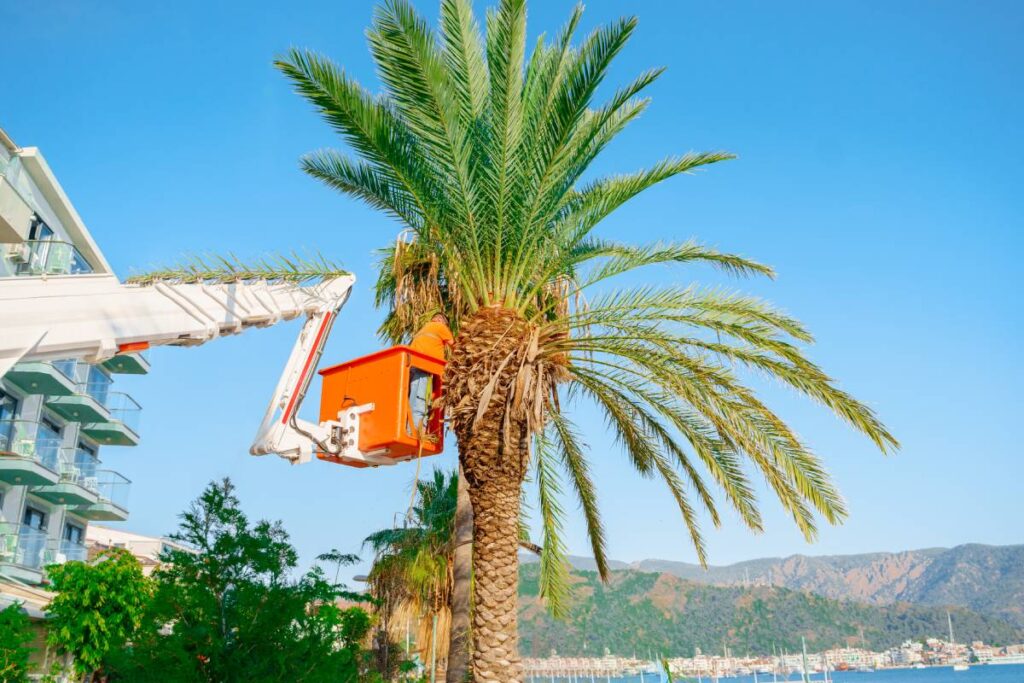
How Much Does It Cost to Remove a Palm Tree in Australia?
Factors Affecting Removal Costs
The cost of removing a palm tree in Australia varies considerably based on several key factors:
Tree Height and Size:
This is the primary cost determinant. Small palms under 5 meters may cost $200-$500 to remove, while medium palms (5-10 meters) typically range from $500-$1,200. Large palms exceeding 10 meters can cost $1,200-$3,000 or more, with exceptional specimens reaching $5,000-$8,000 for removal.
Location and Accessibility:
Palms located in easily accessible front yards with ample space for equipment generally cost less to remove. Trees in backyards requiring manual handling or those near structures, power lines, or swimming pools increase costs by 30-50% due to additional safety requirements and labour intensity.
Tree Condition:
Dead or diseased palms may be more dangerous to remove due to structural instability, potentially increasing costs. However, they may also be lighter and easier to dismantle, sometimes reducing expenses.
Stump Removal:
Basic palm removal typically includes cutting the trunk to ground level but not removing the stump. Stump grinding adds $150-$500, depending on stump diameter and root spread. Complete root removal costs more but prevents regrowth.
Disposal and Cleanup:
Most quotes include basic cleanup and removal of debris. However, extensive cleanup, site restoration, or specific disposal requirements may incur additional charges of $100-$300.
Regional Price Variations
Palm tree removal costs vary across Australian states and territories:
Queensland and Northern Territory: $300-$2,500, with competitive pricing due to the abundance of palms and specialised services.
New South Wales: $400-$3,000, with Sydney metropolitan areas at the higher end.
Victoria and South Australia: $350-$2,800, with fewer specialised palm removal services potentially affecting pricing.
Western Australia: $400-$3,500, with Perth and coastal areas seeing higher demand and costs. Services like AB Tree Lopping in Perth specialise in palm removal and can provide detailed quotes based on specific circumstances.
Tasmania and ACT: $400-$2,000, though palm removal is less common in these cooler climates.
Additional Considerations
Council Permits: Many local councils require permits for removing palm trees, particularly significant specimens or those in heritage areas. Permit costs range from $50-$300 and may take several weeks to process. Removing protected palms without permits can result in fines exceeding $10,000.
Multiple Tree Discounts: If removing several palms simultaneously, many arborists offer discounts of 10-20% per additional tree, reducing overall costs.
Emergency Removal: Storm-damaged or hazardous palms requiring immediate removal typically incur premium rates of 50-100% above standard pricing due to urgency and increased risk.
Insurance: Ensure your chosen arborist carries public liability insurance and workers’ compensation coverage. While this is standard for reputable companies, it protects you from liability if accidents occur.
Getting the Best Value
To ensure fair pricing, obtain at least three written quotes from certified arborists. Verify their qualifications, insurance coverage, and customer reviews. The cheapest option isn’t always the best value. Experienced professionals with proper equipment and safety protocols prevent damage to your property and the surrounding areas.
Consider timing your removal during off-peak seasons (autumn and winter) when demand is lower and prices may be more negotiable. Combine multiple tree services if you need other work done to potentially secure better overall rates.
Conclusion
Palm trees offer remarkable benefits, including aesthetic beauty, environmental advantages, low maintenance requirements, and property value enhancement. However, when removal becomes necessary due to disease, damage, safety concerns, or landscape redesign, understanding the associated costs helps in planning and budgeting. With removal costs ranging from a few hundred to several thousand dollars depending on various factors, obtaining professional quotes and ensuring proper credentials ensures safe, efficient removal at fair prices. Whether you’re planting palms for their many benefits or planning removal, informed decision-making creates the best outcomes for your property and budget.