

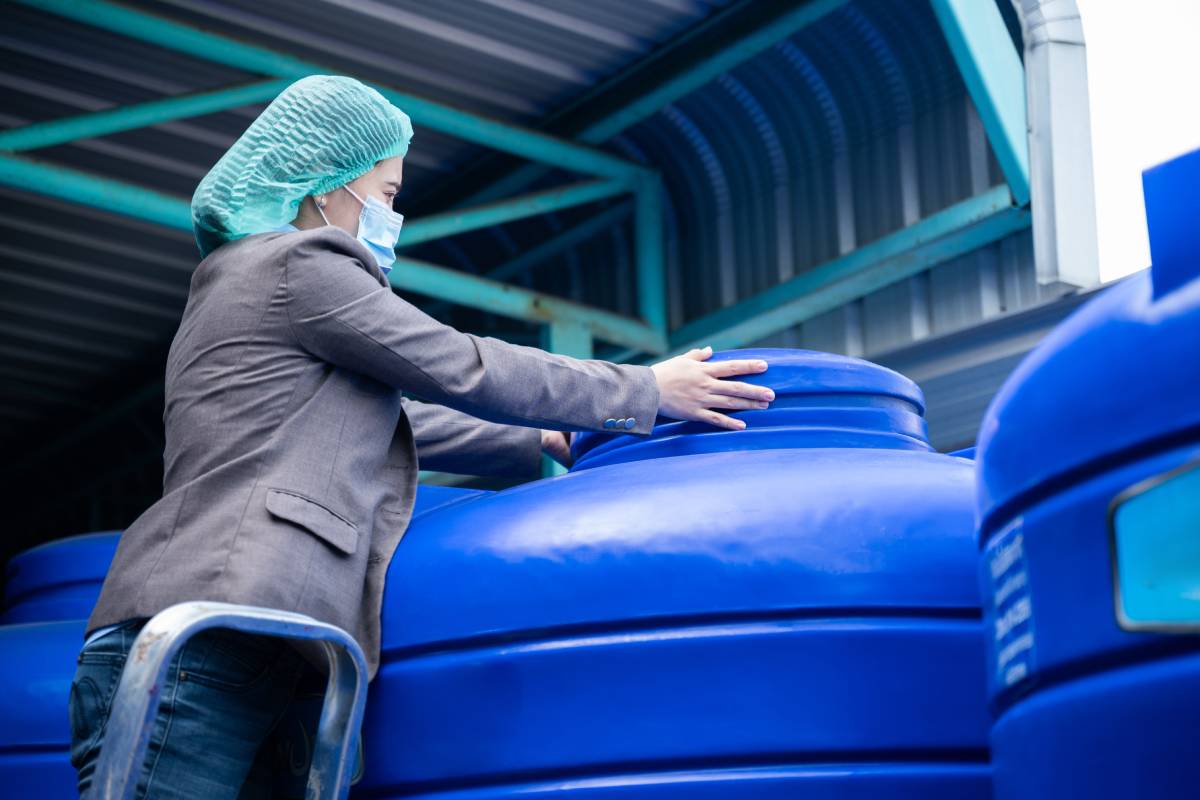

When it comes to selecting a storage tank for industrial, agricultural, or even residential applications, the debate often narrows down to two contenders: fiberglass tanks (same material as fibreglass swimming pools) and concrete tanks.
Each type of tank comes with its own list of advantages and drawbacks, but increasingly, industry professionals and facility managers are leaning toward fiberglass tanks as the preferred option.
Whether you’re storing drinking water, chemicals, waste, or fire protection reserves, choosing the right tank is crucial for safety, durability, and cost-effectiveness. In this comprehensive guide, we’ll explore the major differences between fiberglass and concrete tanks, and why fiberglass tanks are often the smarter long-term investment.
Why Tank Material Matters
Storage tanks aren’t just about holding liquids—they’re about safely and efficiently storing critical materials for years, even decades. That means the material you choose impacts:
- Durability
- Maintenance costs
- Installation ease
- Environmental resistance
- Long-term safety
Let’s break down the key comparisons between fiberglass reinforced plastic (FRP) tanks and concrete tanks, so you can make an informed decision.
Durability and Structural Integrity
Fiberglass tanks are built using high-strength resins and glass fibers, forming a non-porous, corrosion-resistant shell that’s incredibly durable. These tanks do not expand or contract with temperature changes, unlike concrete, which is prone to developing hairline cracks due to thermal expansion and contraction.
According to the American Water Works Association, concrete tanks often develop leaks or cracks over time due to this shrinkage and expansion process, especially in regions with fluctuating temperatures. These cracks lead to water infiltration, corrosion of internal reinforcements, and reduced structural integrity.
Fiberglass tanks, on the other hand:
- Remain chemically inert
- Resist both internal and external corrosion
- Do not suffer from microbial-induced corrosion (MIC)
- Are resistant to UV rays and harsh chemicals, making them ideal for storing acids, hydrocarbons, or brine
Lightweight and Easy Installation
A major benefit of fiberglass tanks is their lightweight design. A fiberglass tank weighs up to 30 times less than a concrete tank of the same capacity. This provides a range of logistical and cost-saving advantages:
- Lower transportation costs: Tanks can be shipped more efficiently, even in large volumes.
- Faster installation: Unlike concrete tanks that require lengthy on-site curing (up to 30 days), fiberglass tanks can be installed in a single day.
- No heavy cranes required: Many fiberglass tanks can be lifted and positioned using smaller equipment or even by hand for smaller models.
In contrast, concrete tanks often require:
- Multiple construction phases
- Extended cure times
- On-site assembly and reinforcement
- Large machinery for movement and placement
With Safe Fiberglass Tank, customers benefit from professional installation services that are streamlined and minimally disruptive—saving both time and money.
Corrosion and Chemical Resistance
Concrete is inherently porous. Over time, liquids and chemicals stored in concrete tanks can leach calcium carbonate, causing the tank’s structural composition to deteriorate. When storing acidic substances or wastewater, this leaching process leads to:
- Hard water formation
- Chemical imbalance
- Accelerated degradation of the tank wall
Fiberglass tanks, being non-porous, do not leach or absorb substances. They offer superior performance in:
- Storing corrosive chemicals like sulfuric acid, sodium hydroxide, and wastewater
- Handling saline or brackish water without mineral intrusion
- Maintaining potable water quality, as they can be manufactured from food-grade resins
This makes fiberglass the preferred material for chemical plants, water treatment facilities, oil fields, and municipal applications.
Cost of Ownership
While fiberglass tanks may seem more expensive upfront than basic concrete options, they are significantly more economical over time. Here’s why:
- Minimal maintenance required
- Lower risk of structural failure
- Less frequent inspections and repairs
- No corrosion-related damages
- No need for waterproofing membranes or coatings
Concrete tanks often demand regular resealing, re-coating, or full replacement after a few decades. Leaks or contamination issues can lead to environmental fines or health violations, especially in sensitive industries like food processing or water supply.
Safety and Customisation
Fiberglass tanks can be custom-designed to meet highly specific industrial requirements, including:
- Pressure ratings
- Partitioned compartments (e.g., fire protection + potable water)
- Underground or aboveground configuration
- Custom fittings for integration with existing piping
Safety is also a key concern. Concrete tanks, especially if cracked or poorly maintained, may allow groundwater infiltration or even collapse under certain soil conditions. In contrast, fiberglass tanks are:
- Pre-tested for pressure and integrity before shipment
- Engineered with robust monocoque structures
- Built to withstand high loads when buried under traffic-rated slabs
Safe Fiberglass Tank offers tanks that comply with NFPA 1142 and NFPA 22 for fire flow requirements and structural integrity, which is particularly important in wildfire-prone rural areas.
Versatile Applications of Fiberglass Tanks
Fiberglass tanks aren’t just used for water. Their versatility means they are commonly used in:
- Rainwater harvesting systems
- Agricultural irrigation systems
- Septic and wastewater treatment
- Firefighting reserves
- Chemical manufacturing
- Oil and gas drilling
They’re ideal for both aboveground and underground installations. Underground FRP tanks are especially beneficial for sites with aesthetic restrictions, as they remain completely hidden from view while still providing vital storage capacity.
Environmental Considerations
Fiberglass tanks offer a smaller environmental footprint in several ways:
- Fewer emissions during manufacturing
- Reduced on-site construction impact
- No leaching of harmful substances into the ground
- Easier to transport without large trucks or cranes
Moreover, underground fiberglass tanks maintain consistent interior temperatures—around 50°F on average—helping to prevent the growth of algae and bacteria, a common concern in concrete tanks exposed to sunlight.
Why Choose Safe Fiberglass Tank?
With the growing awareness of the benefits of fiberglass over concrete, many industries are turning to trusted manufacturers like Safe Fiberglass Tank. Their fiberglass tanks are:
- Professionally engineered
- Pre-tested and certified
- Installed by experts
- Backed by warranties and service support
Whether you’re storing drinking water, storm runoff, or hazardous chemicals, Safe Fiberglass Tank can deliver a solution tailored to your needs with long-lasting performance and unbeatable reliability.
Final Thoughts: Fiberglass Tanks Outperform Concrete in Every Way
In every category that matters—durability, safety, weight, corrosion resistance, and total cost of ownership—fiberglass tanks consistently outperform their concrete counterparts. While concrete served its purpose in the past, today’s industrial and environmental demands require a more adaptable and resilient solution.
Fiberglass tanks represent the future of safe, efficient, and low-maintenance liquid storage. Whether you’re a contractor, municipality, or private enterprise, choosing fiberglass means investing in longevity and peace of mind.
If you are planning your next tank installation or upgrade, don’t settle for outdated materials. Consult with a trusted specialist to explore your options and ensure your project is built to last.
Ready to make the switch?
Explore durable and reliable fiberglass solutions today—because the right tank can make all the difference.