


A lush, green lawn is a homeowner’s pride. But if there’s one thing that can ruin this perfect picture, it’s weeds. These unwanted invaders compete with your grass for sunlight, nutrients, and water—often making your turf look patchy, weak, and neglected. The question on every lawn enthusiast’s mind is: What is the best way to get rid of weeds in your lawn? And just as importantly: Should you deal with weeds before or after mowing?
In this comprehensive guide, we’ll dive deep into the most effective weed control strategies and mowing practices, and provide expert advice from leading turf specialists.
Understanding Lawn Weeds
Before jumping into weed control, it helps to understand the enemy. Lawn weeds fall into three main categories:
- Broadleaf Weeds (e.g., dandelions, clover, bindii)
- Grassy Weeds (e.g., crabgrass, summer grass)
- Sedge Weeds (e.g., nutgrass)
Each type of weed has a different growth pattern and responds differently to treatment methods. This is why a one-size-fits-all approach rarely works when it comes to weed control.
Should You Remove Weeds Before or After Mowing?
Short answer: Remove weeds before mowing if you’re applying herbicides. Mow after if you’re removing by hand.
Why Timing Matters
- Before Mowing: If you’re planning to use a weed spray (herbicide), it’s best to leave the weeds untouched for a few days before application. Herbicides are absorbed through the leaves, so if you mow beforehand and trim down the leaves, the chemicals have less surface area to work with. This reduces the effectiveness of the treatment.
- After Mowing: If you’re removing weeds manually—by digging them out or hand-pulling—it’s easier to identify and grasp them when the lawn hasn’t just been mowed. Taller weeds are also easier to remove with roots intact. However, waiting a few days after mowing to spray herbicide gives new growth a chance to emerge, which can also improve treatment results.
Best Methods to Get Rid of Weeds in Your Lawn
1. Hand-Pulling Weeds (Manual Removal)
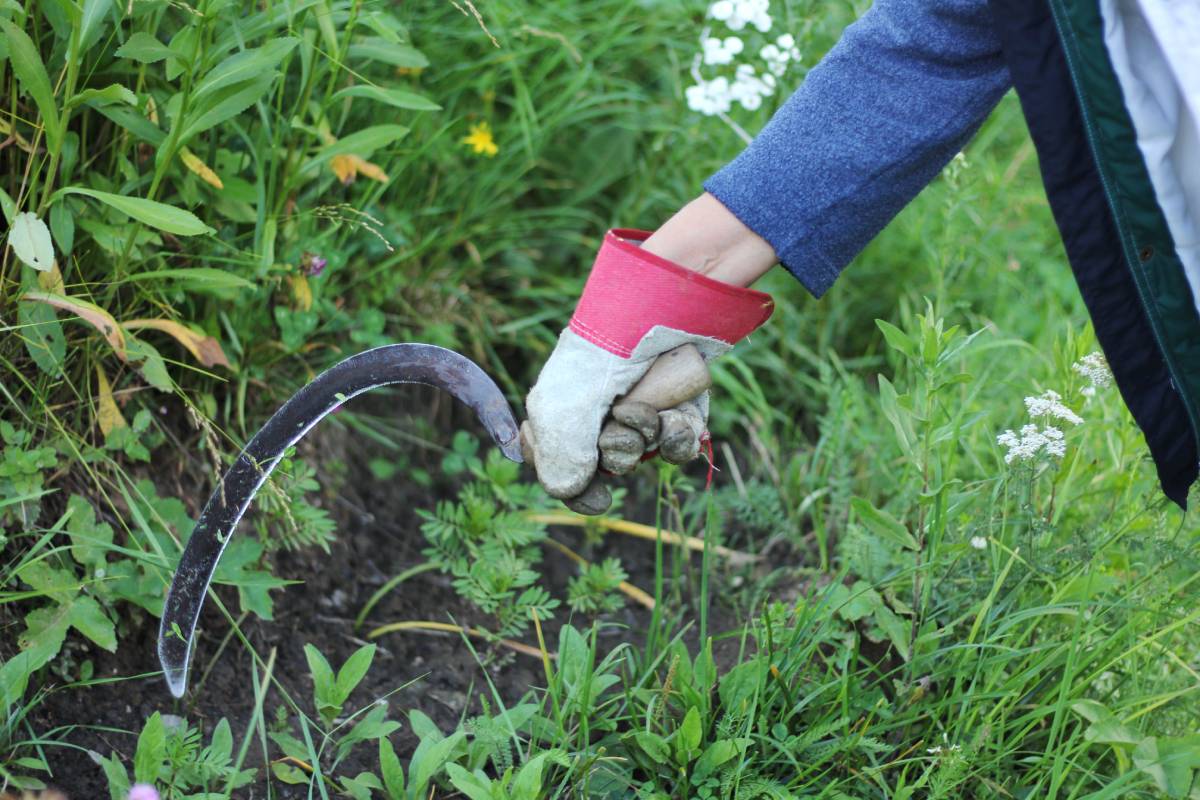
This old-school method is still highly effective, especially for smaller lawns or spot treatments. Using a weed removal tool or hand trowel, grasp the weed near the base and pull steadily to remove the entire root system.
Pros:
- Chemical-free
- Immediate results
- Best for isolated or large weeds
Cons:
- Labour intensive
- Time-consuming for large areas
Tip: Do it when the soil is moist to make root removal easier.
2. Spot Spraying With Selective Herbicides
Selective herbicides are formulated to kill specific types of weeds without harming your lawn grass. This is especially useful for broadleaf weeds like dandelions and bindii.
How to Use:
- Don’t mow the lawn 2-3 days before application.
- Apply herbicide during a dry, warm day with no wind.
- Avoid watering or mowing for at least 24-48 hours after application.
Pros:
- Targeted
- Easy to use
- Works well for recurring patches
Cons:
- Can take several days to see results
- Potential risk to nearby plants if misapplied
3. Broadcast Spraying for Larger Infestations
When your lawn is overwhelmed with weeds, spot spraying isn’t enough. This is where broadcast spraying—a method that covers the entire lawn—comes in.
Use a pressure sprayer or hose-on product designed for lawns, and make sure the product is labelled “safe for lawns” or “selective herbicide.”
Tip: Mow the lawn about 2–3 days before application to allow weeds to grow enough foliage for optimal herbicide absorption.
4. Pre-Emergent Weed Control
Pre-emergent herbicides work by preventing weed seeds from germinating. They’re best used in early spring or autumn, depending on your local weed cycle.
Best for: Annual weeds like crabgrass and summer grass.
Important: Pre-emergents won’t affect existing weeds, so pair this with spot treatment if your lawn already has a weed problem.
5. Organic and Natural Alternatives
If you’re avoiding chemicals, there are natural options—though less effective for large infestations:
- Boiling Water: Scalds and kills surface weeds. Great for driveways and edges, not ideal for lawn areas.
- Vinegar and Salt Sprays: Effective on young weeds, but can also kill surrounding grass.
- Corn Gluten Meal: Acts as a pre-emergent; works better in some climates than others.
6. Lawn Renovation and Turf Replacement
In cases where weeds have taken over completely, it may be more efficient to renovate your lawn. This involves:
- Killing off the existing lawn and weeds
- Improving the soil with compost or topsoil
- Re-seeding or laying new turf
This is where professional turf suppliers like A View Turf can help. Their premium turf options are weed-resistant and perfect for starting fresh. Choosing a dense, high-quality grass type can naturally choke out weeds and reduce the need for future treatments.
Additional Tips for Preventing Weeds
Weed control is not just about removal—it’s about prevention. A healthy lawn is your best defence against weed invasion.
1. Mow at the Correct Height
- Mowing too low weakens your lawn and gives weeds room to grow.
- For most grasses, aim to mow at around 5–8 cm height.
2. Fertilise Regularly
- Feed your lawn with a slow-release fertiliser every 6–8 weeks during the growing season.
- Strong, thick grass crowds out weeds naturally.
3. Water Deeply but Infrequently
- Frequent light watering promotes shallow roots, which are vulnerable.
- Water deeply (25–30 mm) once or twice a week instead.
4. Aerate Your Lawn
- Compacted soil encourages weeds like bindii and clover.
- Aerate at least once a year to improve air, water, and nutrient flow.
Should You Use Weed and Feed Products?
Weed and feed products combine fertiliser with herbicide in one application. They seem convenient, but their “one-size-fits-all” nature can sometimes cause more harm than good—especially if your lawn isn’t actively growing or if it contains mixed grass species.
Use with caution. If unsure, consult a local turf expert like A View Turf for advice on lawn-specific solutions.
When to Call in a Professional
Sometimes the infestation is just too big or complex to handle alone. In such cases, a lawn care professional can:
- Accurately identify weed types
- Apply commercial-grade treatments
- Recommend the right turf for replacement
- Offer maintenance plans to keep your lawn healthy year-round
Companies like A View Turf also provide high-quality turf varieties specifically selected for Australia’s climate—such as soft buffalo grass or drought-tolerant couch grass—that offer natural weed resistance.
Conclusion
So, what’s the best way to get rid of weeds in your lawn?
- Spot spraying and hand-pulling are effective for small patches.
- Broadcast spraying and pre-emergent treatments are ideal for larger or seasonal problems.
- Mow after pulling weeds manually, but wait before mowing if you’re applying herbicide.
- Healthy lawn practices—like proper mowing, watering, and fertilising—are essential to keeping weeds away.
If your lawn is beyond repair or you’re looking to start fresh, consider sourcing premium turf from A View Turf. With the right grass type, weed-resistant varieties, and solid lawn care habits, you’ll have a pristine, weed-free lawn in no time.
Need Help Choosing the Right Turf?
Reach out to A View Turf for expert advice and high-quality lawn solutions that will transform your outdoor space and help you say goodbye to weeds for good.